Achieving Perfect Lawn Care: A Case Study by SQ Roots Property Maintenance
By Garrett Calloway • March 30, 2026
Introduction to Lawn Care and Maintenance
Imagine stepping onto a lush, emerald-green lawn that feels like a soft carpet under your feet, instantly boosting your home's curb appeal and providing a serene escape from the hustle and bustle. Achieving this dream lawn requires diligent lawn care and maintenance, a practice that cleverly combines science, art, and a bit of elbow grease. While many homeowners wish for an immaculate lawn, the path to achieving it is often paved with misconceptions and overlooked essentials.
One of the foundational aspects of lawn care is understanding the specific needs of your turf. Different grass types thrive in varying climates, so identifying your grass species is vital. For example, warm-season grasses like Bermuda grass flourish in southern regions, while cool-season varieties such as Kentucky Bluegrass are better suited for the northern climates. Tailoring your maintenance routine to the type of grass ensures a healthier lawn.
Proper mowing is another crucial element. Regular mowing keeps your lawn looking neat, but the height of your grass can significantly impact its health. A general rule of thumb is to never cut more than one-third of the grass blade to avoid stressing the plant. According to the National Association of Landscape Professionals, maintaining the correct mowing height can prevent common issues such as disease and weed infestations. To explore more about optimizing your lawn care, check out our detailed guide on Spring Lawn Care.
Watering practices are often misunderstood, yet they play a pivotal role in lawn vigor. Overwatering can lead to shallow root systems, while underwatering stresses the grass. Implementing a deep and infrequent watering schedule encourages deep root growth, allowing the grass to access retained moisture during dry periods. This practice not only nurtures healthy growth but also conserves water, aligning with environmentally friendly landscaping trends.
In recent years, lawn care approaches have seen a shift towards sustainability, emphasizing practices that reduce environmental impact. The use of electric mowers and organic fertilizers are just a couple of examples of how eco-friendly techniques are becoming mainstream. According to EPA, reducing the use of chemicals and adopting sustainable practices can significantly lower the ecological footprint of lawn maintenance. Embracing these practices not only benefits the environment but can also be lighter on your wallet.
By understanding and implementing these essential lawn care principles, any homeowner can enjoy the rewards of a pristine lawn. In the following sections, we will delve deeper into advanced techniques and offer expert tips to guide you on this green journey, ensuring your lawn remains a source of pride and joy.
Advanced Lawn Care Techniques
To maintain a lush and healthy lawn, understanding advanced lawn care and maintenance strategies is crucial. By going beyond basic mowing and watering, homeowners can safeguard their lawns against common issues and promote robust growth year-round.
The Importance of Soil Health
The foundation of a thriving lawn is healthy soil. Conducting a soil test can reveal vital information about nutrient levels, pH balance, and soil composition. A balanced soil pH of 6.0 to 7.0 is ideal for most grasses. If adjustments are needed, homeowners might consider adding lime to increase pH or sulfur to reduce it. A robust soil nutrient profile promotes strong root systems that can withstand environmental stressors. According to University of Minnesota Extension, regular soil tests can significantly enhance lawn health.
Efficient Watering Practices
Proper watering goes beyond turning on the sprinkler. It's essential to water deeply but infrequently, encouraging roots to extend deeper into the soil where moisture is retained for longer periods. Most lawns require about 1 to 1.5 inches of water per week, including rainfall. This not only conserves water but also fosters strong root growth and reduces the risk of fungal diseases. For a hands-on guide, consider exploring the Keep Lawn Green Summer guide for valuable insights.
Mowing for Success
While mowing may seem straightforward, the technique plays a vital role in lawn health. Cutting grass too short, known as scalping, can stress the lawn and invite pests and diseases. It’s best to maintain a grass height of 2.5 to 3.5 inches, depending on the species. This height helps shade the soil, reducing weed growth while preserving moisture. Regularly sharpen mower blades to ensure clean cuts that promote faster healing and healthier grass.
Integrated Pest Management (IPM)
Choosing an integrated pest management approach enables effective and environmentally friendly control of pests. IPM uses a combination of biological, cultural, and chemical methods. For instance, encouraging natural predators or introducing specific beneficial insects can keep pest populations in check without resorting to chemicals. According to the EPA, IPM reduces the environmental impact while maintaining effective pest control.
| Technique | Benefits | Considerations |
|---|---|---|
| Soil Testing | Optimizes nutrient management | Requires periodic testing |
| Deep Watering | Promotes deep root growth | Needs careful scheduling |
| Proper Mowing | Reduces stress on grass | Dependent on grass type |
| Integrated Pest Management | Eco-friendly pest control | May need expert consultation |
By integrating these advanced techniques, homeowners can ensure their lawns not only survive but thrive. Each step builds on the last, creating a comprehensive approach to lawn care and maintenance that reflects expertise and dedication. This holistic strategy underscores the lasting reward of a vibrant, resilient lawn.
Seasonal Lawn Care Planning
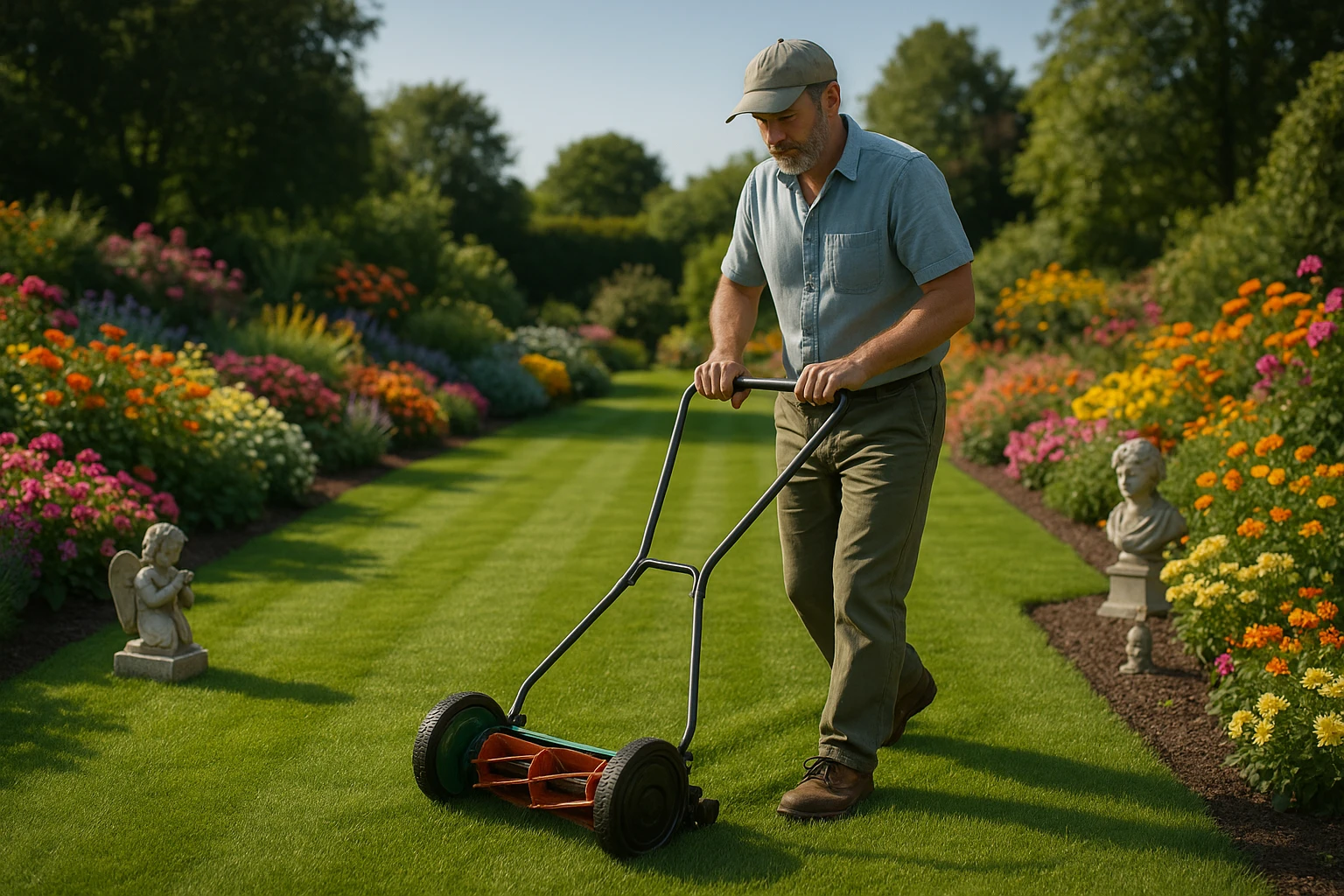
Understanding how different seasons affect your lawn is crucial for effective lawn care and maintenance. Each season presents unique challenges and opportunities to enhance the health and beauty of your lawn. Tailoring your approach to meet seasonal needs ensures lush, green grass year-round.
Spring Revival
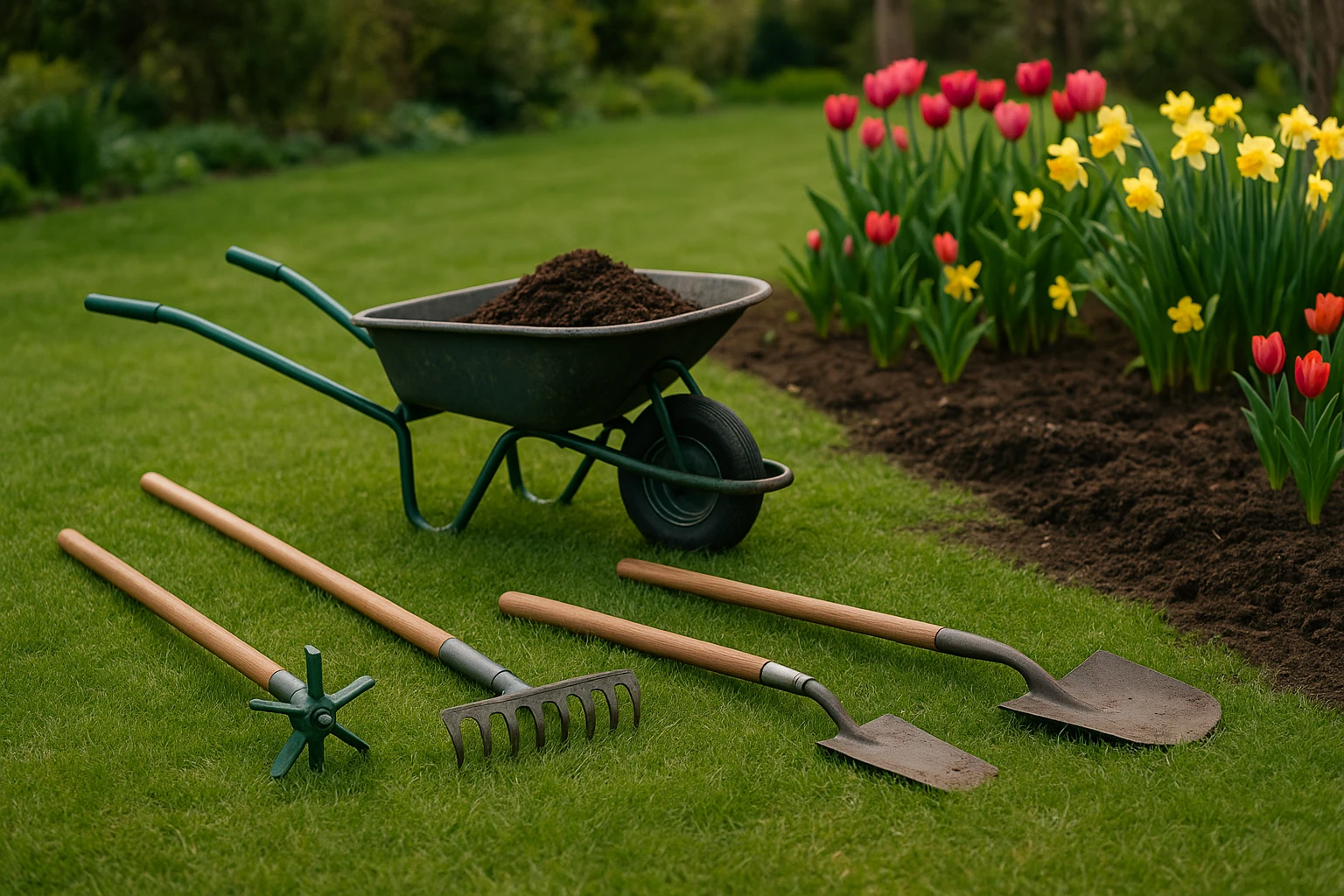
As winter recedes, spring is a time of renewal and growth. It's essential to start with clearing away any debris, like fallen leaves and branches, that could hinder grass growth. Aerating your lawn in spring helps to improve soil structure and allows air, water, and nutrients to penetrate the roots effectively. Many gardeners incorporate balanced fertilizers at this time to encourage robust growth. According to Iowa State University Extension, a slow-release nitrogen fertilizer is particularly beneficial.
Summer Sustainment
Summer’s heat can stress your lawn, making proper watering crucial. Deep watering, once or twice a week, is preferable to shallow daily watering, as it promotes deep root growth. Mowing at a higher height helps the grass withstand heat, with a focus on keeping the blades sharp to prevent damage. Many professionals use services like SQ Roots Property Maintenance for expert guidance in adjusting care routines to suit seasonal challenges.
Fall Preparation
Fall is an ideal time to prepare your lawn for the coming winter. Over-seeding can provide a thicker, more resilient lawn in the spring. Raking leaves is essential to avoid suffocation and disease. Fall is also a prime time for lawn fertilization, as according to the TurfGrass Producers International, nutrients applied now will be stored in roots over winter.
Winter Care
While winter is a less active period for lawn work, there are measures to maintain lawn health. It's important to minimize traffic on frozen lawn to prevent compaction. Applying a winter fertilizer provides nutrients for root development, ensuring a healthy start in spring. Ensuring proper drainage will prevent waterlogging and ice damage.
Adapting strategies to seasonal changes is integral for successful lawn care and maintenance. By adjusting your approach throughout the year, you can ensure a vibrant lawn, capable of withstanding various weather conditions and seasonal stresses.
Optimizing Mowing Practices for Lasting Lawn Health
Adhering to Proper Mowing Height and Frequency
Maintaining a healthy lawn relies on mowing practices that support turf resilience and growth. For many cool-season grasses such as Kentucky bluegrass, perennial ryegrass, fine fescues, and tall fescue, the ideal mowing height typically ranges between 2½ and 3½ inches umass.edu. Removing more than one-third of the grass blade at once can inhibit root development and stress the turf, so following the “one-third rule” ensures both root and above-ground vigor k-state.edu.
Strategically Raising Height to Combat Weeds and Stress
Allowing grass to grow slightly taller can be an effective natural deterrent to weeds. Taller turf shades the soil surface, reducing weed seed germination, while also encouraging deeper root systems that enhance drought tolerance pnwhandbooks.org. For instance, tall fescue and Kentucky bluegrass lawns mowed at 3½ to 4 inches show noticeably reduced weed presence compared to lawns cut shorter extension.missouri.edu.
Executing Smart Mowing Transitions
Gradually adjusting mowing height is critical when lawns grow too tall between sessions. If grass surpasses recommended heights, increase the cutting height temporarily, then gently lower it over successive mowings to return to the optimal range without scalp damage k-state.edu. Additionally, regularly rotating mowing patterns helps prevent wear patterns and compaction, promoting uniform growth umass.edu.
Maintaining Equipment and Managing Clippings
Keeping mower blades sharp is essential; dull blades tear rather than cut, resulting in frayed ends that increase water loss and vulnerability to disease k-state.edu. Mowing while the grass is dry also enhances cut quality and reduces clumping. Instead of removing clippings, allowing them to return to the lawn acts as a natural fertilizer—clippings typically contain approximately 4% nitrogen, plus phosphorus and potassium hgic.clemson.edu.
Synthesizing Practices for Effective Lawn Care and Maintenance
When managing your turf, the subtle combination of correct mowing height, measured frequency, and consistent technique leads to a lawn that maintains density, resists weeds, and withstands environmental stress. Transitioning heights gradually, varying patterns, and returning clippings all play roles in supporting root depth, photosynthetic capacity, and nutrient cycling—key elements of comprehensive **lawn care and maintenance**. These tailored, evidence-based practices ensure your lawn thrives both aesthetically and functionally.
Conclusion: Mastering Lawn Care and Maintenance
As we wrap up our journey into the essentials of lawn care and maintenance, it is crucial to remember that a thriving lawn is the result of consistent effort and informed decisions. By implementing the methods covered, such as proper mowing techniques, regular fertilization, and effective pest management, your lawn can become a beautiful extension of your home.
One actionable insight is the importance of seasonal adjustments in your lawn care routine. Each season brings specific challenges and opportunities; for example, preventing winter damage through fall fertilization can pave the way for a verdant spring. Recognizing these shifts ensures that your efforts are timely and effective.
Consider making sustainable choices, such as utilizing organic fertilizers and practicing water-efficient irrigation methods. These not only contribute to a healthier lawn but also promote environmental stewardship. According to the EPA, efficient irrigation practices can save homeowners significant water and reduce utility bills.
Moreover, addressing lawn issues promptly can prevent them from escalating into more significant problems. Regularly inspect your lawn for signs of disease or pest infestation and act quickly to minimize damage. By staying proactive, you can maintain a lush and vibrant lawn throughout the year.
For those who feel overwhelmed or pressed for time, professional assistance can offer significant benefits. To get started with these strategies, consider using SQ Roots Property Maintenance for comprehensive support and expert guidance. Their expertise can help you achieve and sustain the lawn of your dreams with minimal stress.
In conclusion, mastering lawn care and maintenance is an achievable goal with the right techniques, consistency, and sometimes, professional help. Taking these steps will not only add beauty to your home but also increase its value and your enjoyment of the outdoor space. By approaching lawn care with mindfulness and dedication, you can create a lush haven for relaxation and enjoyment.
Article Generated by Soogle