Mastering Lawn Care in Greenville, SC: A Professional Perspective
By Garrett Calloway • March 23, 2026
Introduction to Lawn Care in Greenville, SC
Embracing a lush, green lawn is a dream for many homeowners in charming Greenville, SC. Known for its picturesque landscapes and vibrant community, Greenville demands immaculate lawns that both enhance curb appeal and provide a serene outdoor space. Achieving this involves understanding the unique climate and soil type that define the region, as well as employing tailored lawn care strategies.
Greenville’s climate offers a mix of warm summers and mild winters, creating both opportunities and challenges for lawn enthusiasts. These conditions are ideal for growing a variety of grass types, but they also require careful attention to watering, fertilization, and lawn maintenance schedules. Effective lawn care in Greenville, SC is not just about aesthetics; it’s about nurturing an ecosystem that contributes to the local environment.
Success in cultivating a pristine lawn starts with understanding the specifics of soil composition and the grass types that thrive in this region. For instance, Bermudagrass and Zoysiagrass are popular choices due to their resilience and adaptability. However, lawn care managers must navigate issues like crabgrass and other invasive species, which can jeopardize the health of the turf if left unchecked. For detailed guidance, consider our Maintain Lawn Between Visits guide for practical tips.
Moreover, the role of sustainable practices cannot be overstated. In a community as forward-thinking as Greenville, utilizing eco-friendly approaches, such as organic fertilizers and smart irrigation systems, is pivotal. Homeowners are increasingly seeking solutions that reduce water usage while maintaining the lushness of their lawns. According to a study by the National Wildlife Federation, sustainable landscaping practices can cut garden water needs by 50% (National Wildlife Federation).
Lawn care in Greenville, SC is more than a routine task; it’s a reflection of the homeowner’s commitment to environmental stewardship and neighborhood beauty. With the right knowledge and tools, anyone can turn their yard into a green paradise that dazzles any passerby. As we delve deeper into the specifics of lawn care tailored for Greenville in subsequent sections, prepare to discover actionable insights that can transform your outdoor space into a real gem.
Understanding Greenville’s Unique Climate and Soil Conditions
To achieve lush and thriving lawns, it’s crucial to understand Greenville’s specific climate and soil characteristics. Positioned in the heart of South Carolina, Greenville experiences a humid subtropical climate, with hot, humid summers and mild, short winters. These conditions necessitate tailored lawn care strategies to maintain optimal health and aesthetics.
Climate Considerations
During the summer months, temperatures can soar above 90°F, affecting grass health significantly. It's essential to implement strategies that minimize heat stress. High temperatures increase the need for effective irrigation systems to keep your lawn vibrant. Consistently watering early in the morning reduces evaporation and allows grass to absorb moisture efficiently. According to Clemson University, watering your lawn less frequently but deeply encourages roots to grow deeper, enhancing drought resistance.
Soil Composition and Health
Greenville’s soil primarily consists of red clay, known for its dense and compact structure. This compactness can restrict root growth and water penetration. Regular aeration is vital to alleviate compaction, enabling roots to access nutrients and water more effectively. Aeration involves perforating the soil with small holes, which improves the exchange of air and nutrients. Consider applying a thin layer of compost post-aeration to further enrich the soil and promote microbial activity that aids in root development.
Nurturing the Right Grass Types
Choosing the appropriate grass species tailored to Greenville’s climate is paramount. Bermuda grass and Zoysia grass are ideal due to their heat tolerance and wear resistance. While Bermuda performs well in full sun, Zoysia is suitable for areas with partial shade. For those seeking sustainable approaches, delve into Smart Sustainable Landscaping for innovative strategies that can enhance lawn resilience.
Comparative Data: Watering and Fertilization
| Aspect | Bermuda Grass | Zoysia Grass |
|---|---|---|
| Water Requirements | 1-1.5 inches/week | 0.5-1 inch/week |
| Fertilization | 3-4 lbs of nitrogen/year | 2-3 lbs of nitrogen/year |
| Mowing Height | 1-2 inches | 1-1.5 inches |
Each type has specific needs, and balancing water and nutrients is fundamental for their maintenance. By understanding these details, homeowners in Greenville can better cater to their lawns’ unique demands, ensuring robust growth and a picturesque landscape.
Common Lawn Problems and Solutions
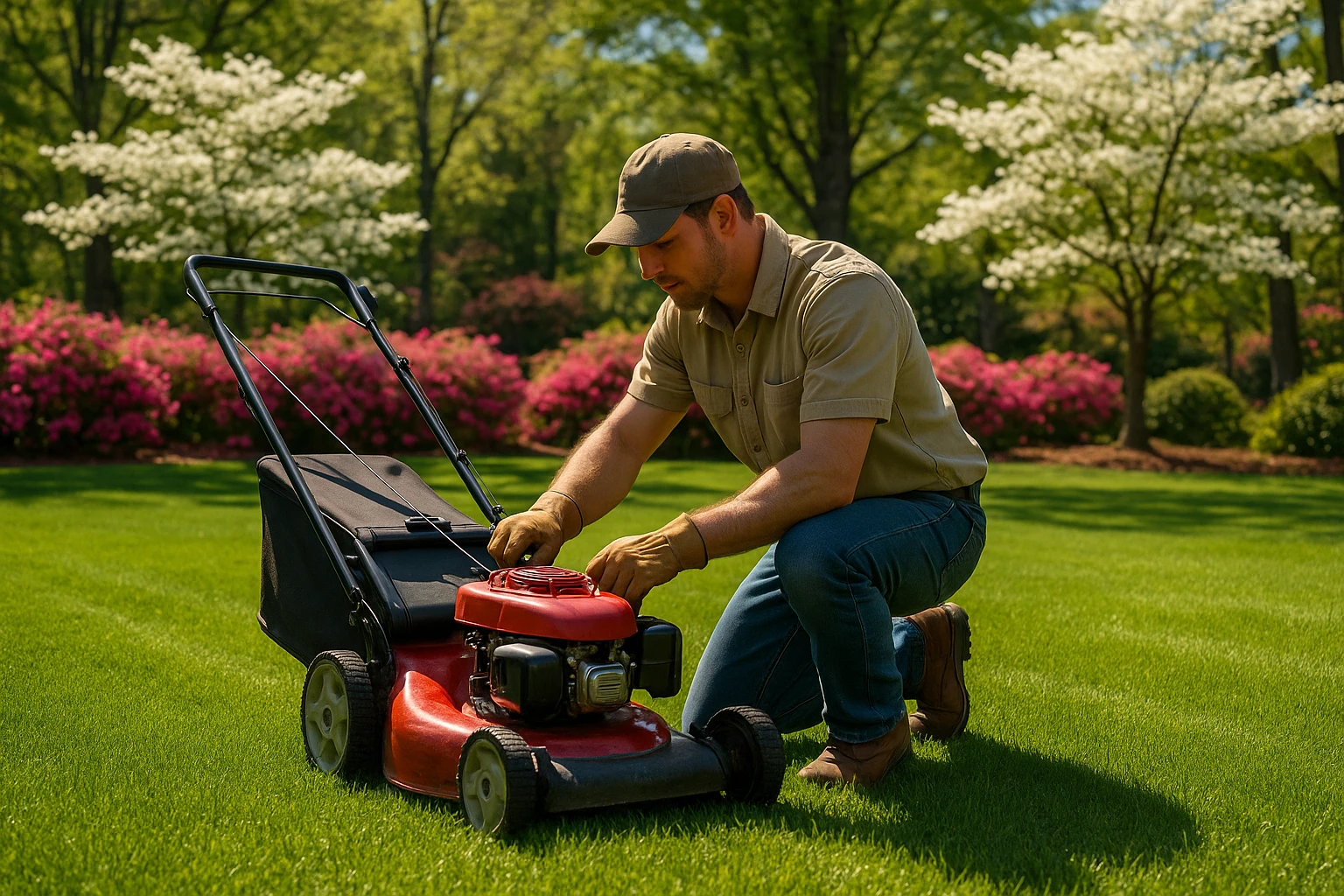
In Greenville, SC, maintaining a lush lawn can be challenging due to various environmental factors. Homeowners often face issues such as pests, diseases, and nutrient deficiencies. Identifying these problems early and applying appropriate solutions is essential for keeping your lawn healthy and vibrant.
Pest Control
One major threat to lawns in Greenville is the presence of pests like grubs and chinch bugs. These pests can cause extensive damage, leading to brown patches and stunted grass growth. Integrated Pest Management (IPM) strategies, which combine cultural, physical, and chemical methods, are highly effective. For instance, aerating the soil and using a natural pest deterrent such as neem oil can significantly reduce pest populations. According to a study by the National Center for Biotechnology Information, maintaining optimal soil health is a crucial preventative measure against pests.
Disease Management
Diseases like brown patch and powdery mildew are prevalent in the humid climate of Greenville. These fungal diseases typically thrive in over-watered lawns with poor air circulation. Ensuring proper watering techniques and enhancing soil drainage can mitigate these problems. It's vital to water deeply and infrequently, allowing the lawn to dry out between watering sessions. Utilizing fungicides may be necessary when environmental conditions favor disease outbreaks, but always follow local guidelines and recommendations.
Addressing Nutrient Deficiencies
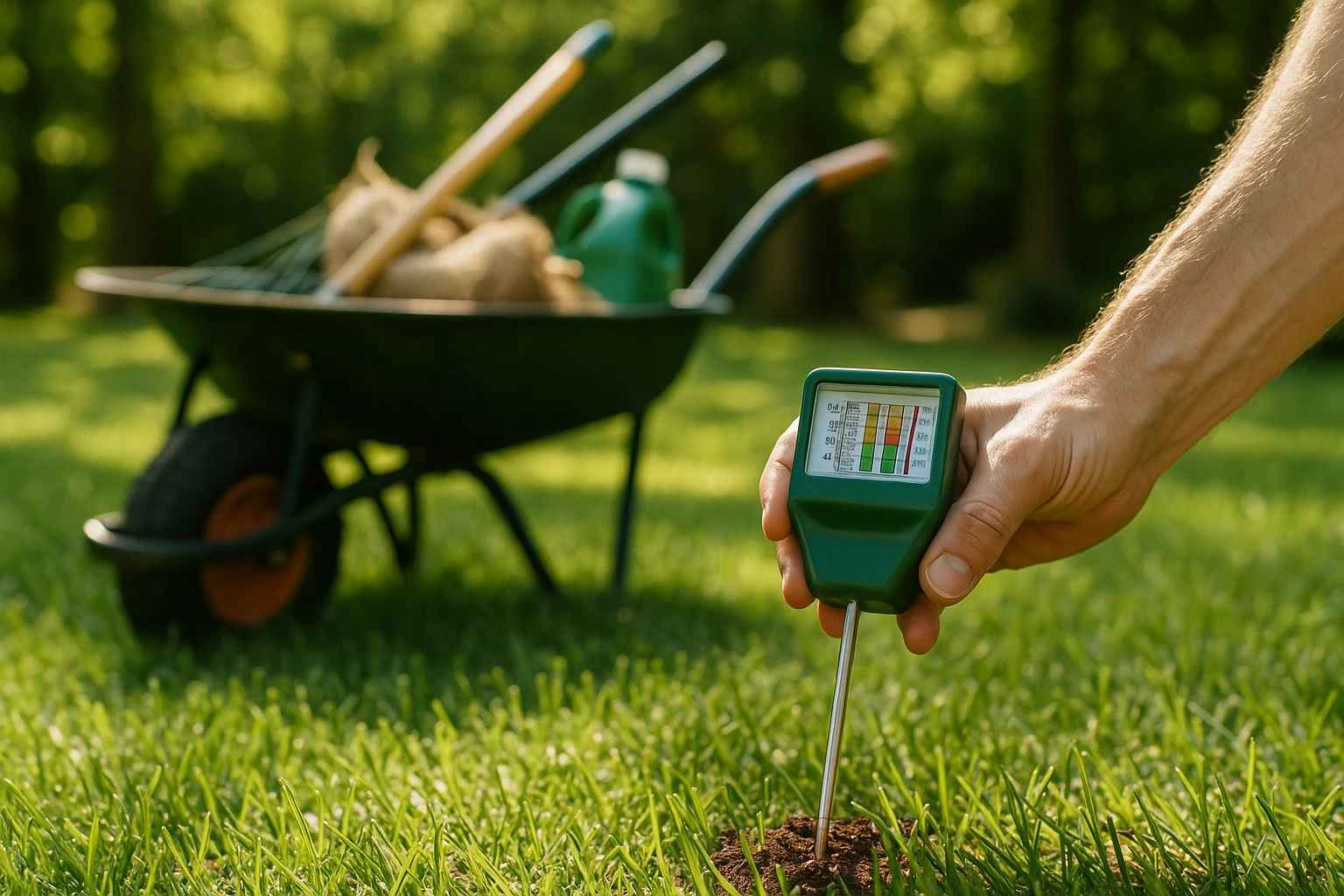
Nutrient imbalances can lead to patchy, discolored grass. A soil test is a practical first step to diagnose nutrient deficiencies. According to the Clemson Cooperative Extension, results from soil tests can inform the right type and amount of fertilizer needed for your lawn. Applying a balanced fertilizer, rich in nitrogen, phosphorus, and potassium, can rectify deficiencies and promote healthy grass growth.
Many homeowners turn to local experts for regular maintenance to manage these challenges effectively. Companies like SQ Roots Property Maintenance offer tailored solutions, combining expertise with community knowledge to keep Greenville lawns looking their best.
Conclusion
By understanding and addressing common lawn issues such as pests, diseases, and nutrient deficiencies, you can maintain a thriving lawn in Greenville. Implementing proactive measures and seeking professional assistance when necessary ensures that your lawn remains a beautiful feature of your home.
Choosing the Right Grass Variety for Greenville’s Transitional Climate
Transitioning smoothly from understanding seasonal lawn care to selecting the most suitable grass, this section emphasizes how climate and soil in Greenville shape grass selection and long-term maintenance. Homeowners often ask what thrives in both hot, humid summers and cool, sometimes frosty winters—especially for those emphasizing lawn care greenville sc as part of their yard’s health and curb appeal.
Warm-Season Grasses That Flourish in Heat and Humidity
In Greenville’s warm summers, grasses like Bermuda, Zoysia, and Centipede are particularly resilient. Bermuda grass is known for its vigorous growth, durability under foot traffic, and weed suppression, making it a staple on southern lawns lawnlove.com. Zoysia offers denser turf and a drought-resistant root structure; it can even cut maintenance needs by up to 30%, an attractive trait for busy homeowners aiming for a neat lawn with minimal effort luxwisp.com. Centipede grass, often called “lazy man’s grass,” thrives in acidic, sandy soils common in upstate South Carolina, requiring less fertilizer and offering a low-maintenance solution for many yards naturesseed.com.
Cool-Season Options for Shade and Year-round Flushness
While warm-season grasses dominate summers, Tall Fescue stands out in cooler seasons and shaded areas. Its deep root system makes it notably drought and heat-tolerant—rare for cool-season turf—and perfectly attuned to Greenville’s transition-zone climate lawnlove.com. Tall Fescue maintains green coverage longer through fall and early winter, offering a fuller lawn when warm-season grasses lie dormant naturesseed.com.
Blended Strategies for Year-Round Coverage
Crafting a resilient lawn often involves blending grass types to harness strengths across seasons. A layered approach—like pairing Bermuda or Zoysia with overseeded Tall Fescue—ensures summer robustness while preserving greenery through cooler months lawnlove.com. Local guidance, such as from Clemson Extension and GreenPal users, suggests mowing frequency and active growth periods reflect these blends: expect about 25–35 mowings annually for warm-season grasses and 20–30 for cool-season varieties during their peak yourgreenpal.com.
Real-World Application: Neighborhood Insights
Community discussions underscore these best practices. One Greenville resident recommended Zoysia for sunlit lawns and Fescue for shady zones—reinforcing the idea of tailoring grass selection to specific microclimates within a single lawn reddit.com. These real-world experiences highlight how blending grass types not only meets aesthetic and functional goals but also supports sustainable, efficient maintenance across Greenville landscapes.
Understanding how grass types interact with local climate and terrain leads to smarter planting decisions and year-round curb appeal. In the final section, we'll explore actionable lawn care strategies to maintain these turf blends through each season—maximizing their benefits while minimizing effort and cost.
Conclusion: Cultivating a Thriving Lawn in Greenville, SC
Taking proactive steps in lawn care not only enhances your home's curb appeal but also contributes to a vibrant community in Greenville, SC. Key strategies include a well-planned schedule for mowing, watering, and fertilization, along with choosing the right grass type for local conditions. By maintaining a focus on soil health through regular testing, you can ensure that your lawn remains lush and resilient.
While DIY approaches have their merits, collaboration with professionals can provide a deeper layer of expertise. Implementing targeted pest management and adopting eco-friendly practices are essential for sustainable landscaping. Lawn care companies often bring insights gained from years of experience, ensuring your greenery thrives across the changing seasons.
SQ Roots Property Maintenance offers specialized services that cater to the unique landscape of Greenville. By enlisting their expertise, homeowners can benefit from personalized care strategies tailored to local conditions. To explore professional options and improve your lawn's health, consider reaching out to SQ Roots Property Maintenance for comprehensive support.
Ultimately, your journey to a healthy, vibrant lawn in Greenville starts with informed decisions and strategic partnerships. Whether you're tackling issues on your own or seeking expert collaboration, the emphasis should always be on sustainable and proactive practices. Remember, a thriving lawn is not just an investment in your property but a contribution to the lasting beauty of your community. Embrace the practices that best suit your needs and watch your lawn flourish season after season.
Article Generated by Soogle