How HOAs Efficiently Manage Lawn Care for Common Areas
By Garrett Calloway • March 16, 2026
Introduction to HOA Lawn Care Management
Homeowners Associations (HOAs) play a pivotal role in maintaining the aesthetic appeal and value of neighborhoods. One of their primary responsibilities is managing lawn care for common areas. But how do HOAs manage lawn care for common areas? This process involves strategic planning, budgeting, and collaboration to ensure that the shared spaces remain attractive and healthy.
Good lawn care is not just about mowing grass; it’s an intricate task that requires an understanding of horticulture, landscape architecture, and environmental sustainability. For instance, many HOAs invest in smart sustainable landscaping to minimize environmental impact and reduce maintenance costs. By opting for native plants and grasses that require less water, HOAs can cut down on both environmental impact and financial outlay.
Strategic Partnerships with Landscaping Companies
HOAs often partner with professional landscaping companies to manage lawn care effectively. These partnerships are crucial as they bring in expertise and resources that the HOA members might not have. For example, a professional landscaping company will assess soil quality, recommend suitable grass types, and implement irrigation systems that optimize water usage—a critical aspect in areas with drought restrictions.
Through contractual agreements, landscaping companies are tasked with regular maintenance, including mowing, fertilization, and pest control. These firms also ensure compliance with regional regulations and environmental standards. The expertise provided by these companies allows HOAs to present beautifully maintained common areas without burdening individual homeowners with the upkeep responsibilities.
Member Engagement and Feedback
Successful lawn care management within HOAs involves engaging members and incorporating their feedback. Regular surveys and meetings provide a platform where homeowners can express their preferences and concerns regarding the maintenance of common areas. This engagement process not only builds a sense of community but also ensures that the decisions made reflect the collective interests of all residents.
Moreover, member feedback can offer insights into seasonal challenges or the effectiveness of current strategies. An engaged community is better positioned to support different lawn care initiatives, whether it's transitioning to more sustainable landscaping practices or implementing new technologies for irrigation and maintenance.
In conclusion, managing lawn care for common areas is a multifaceted task that requires careful planning and execution. By leveraging professional partnerships, engaging members, and adopting sustainable practices, HOAs can maintain vibrant and welcoming common spaces that enhance the living experience for all residents. As the journey through this article continues, further exploration will uncover additional strategies and insights into the complex world of HOA lawn care management.
Contracting Professional Lawn Care Services
Many Homeowners Associations (HOAs) opt to contract professional lawn care services to manage the upkeep of common areas. This approach ensures that the lawns are maintained to a high standard, which is crucial for community appeal. Professional services can provide expert insights on seasonal care, pest control, and maintenance, ensuring lawns remain healthy and aesthetically pleasing throughout the year.
Benefits of Hiring Professionals
One of the primary advantages of hiring professional services is the expertise they bring. These companies are knowledgeable about the best practices for lawn maintenance and can offer tailored solutions based on the specific needs of the community. For instance, they understand the importance of soil testing, which helps in selecting appropriate fertilizers and amendments. According to data from the National Association of Landscape Professionals, 65% of homeowners report significant improvement in lawn appearance when managed by professionals.
Cost Considerations and Budgeting
Cost is a significant factor in deciding how HOAs manage lawn care for common areas. Professional services might seem costly upfront; however, the long-term benefits often outweigh the initial expenses. Well-maintained lawns can enhance property values and reduce potential future repair costs caused by neglect. A strategic budgeting plan is essential, and HOA boards must meticulously review contracts to ensure services align with their budget and community needs.
Comparison of Service Providers
Choosing the right service provider involves comparing multiple options. HOAs should assess providers based on expertise, cost, sustainability practices, and community feedback. Below is a table highlighting key factors in evaluating service providers:
| Provider | Expertise | Cost | Sustainability Practices | Community Feedback |
|---|---|---|---|---|
| GreenCare Solutions | High | Moderate | Organic Methods | 4.5/5 |
| EcoLawn Services | Moderate | Low | Limited | 3.8/5 |
| NaturePro Landscaping | High | High | Comprehensive | 4.7/5 |
For a comprehensive understanding of how to choose the right landscaping company, check out our guide on Choose Landscaping Company for more insights.
Budgeting and Financial Considerations
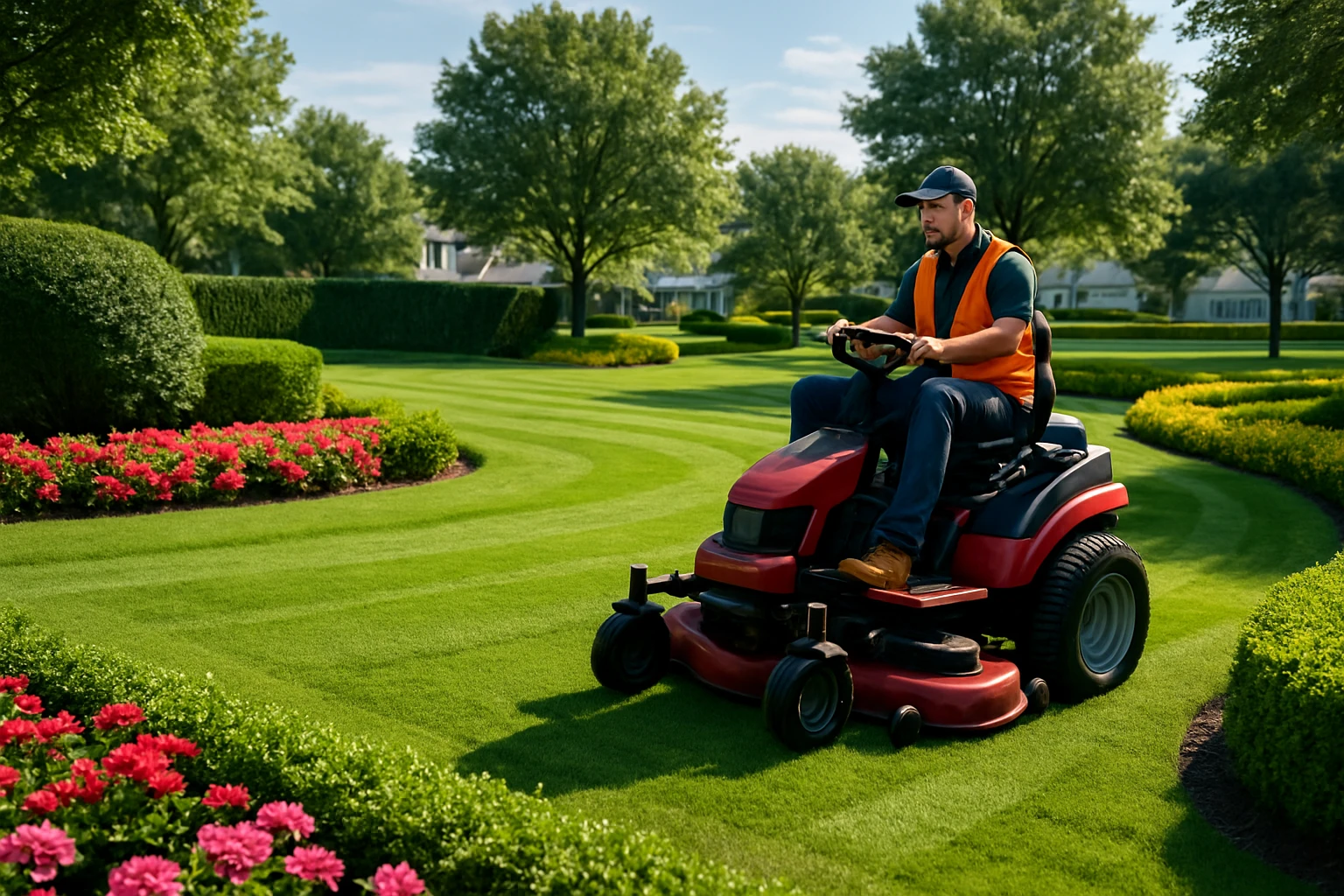
Effective lawn care management in HOAs involves strategic budgeting and financial oversight. Boards must carefully allocate funds to ensure the common areas remain well-maintained throughout the year. A well-planned budget encompasses various costs, including equipment, labor, and unexpected repairs. It’s crucial to balance quality service with fiscal responsibility to make the most out of the community's resources.
One critical aspect is choosing between contracting professionals and DIY maintenance. Hiring dedicated companies like SQ Roots Property Maintenance can streamline efforts by offering tailored services that address specific community needs efficiently. Professional services often provide not only routine care but also specialized treatments and seasonal adjustments, ensuring properties receive optimal attention year-round.
Cost-Benefit Analysis
Conducting a cost-benefit analysis helps HOAs justify expenditures on professional lawn care services. By comparing potential costs against the benefits of healthier landscapes, boards can make informed decisions. For instance, a study by the National Apartment Association revealed that professional landscaping can increase property values by up to 15%. Such statistics underscore the importance of investing in qualified services to enhance both aesthetic appeal and property value.
Moreover, economies of scale often make contracting services more affordable than handling tasks internally. Many companies provide bulk discounts or package deals, which can lead to significant savings over time, allowing HOAs to allocate resources elsewhere, such as recreational equipment or community events.
Planning for Seasonal Changes
A well-rounded financial plan must account for seasonal changes and their impacts on landscaping needs. For example, drought-resistant plants might be preferred for areas prone to dry spells, reducing water consumption and costs. Tailoring lawn care strategies to the changing seasons ensures that resources are used efficiently, preventing unnecessary expenditures.
By keeping abreast of seasonal needs and trends, HOAs can adjust their contracts and plans accordingly, ensuring optimal allocation of their landscaping budget. Engaging with providers like SQ Roots Property Maintenance, known for integrating eco-friendly practices, can further align cost-saving goals and environmental responsibility, creating a sustainable, vibrant community.
Implementing Lawn Care Schedules
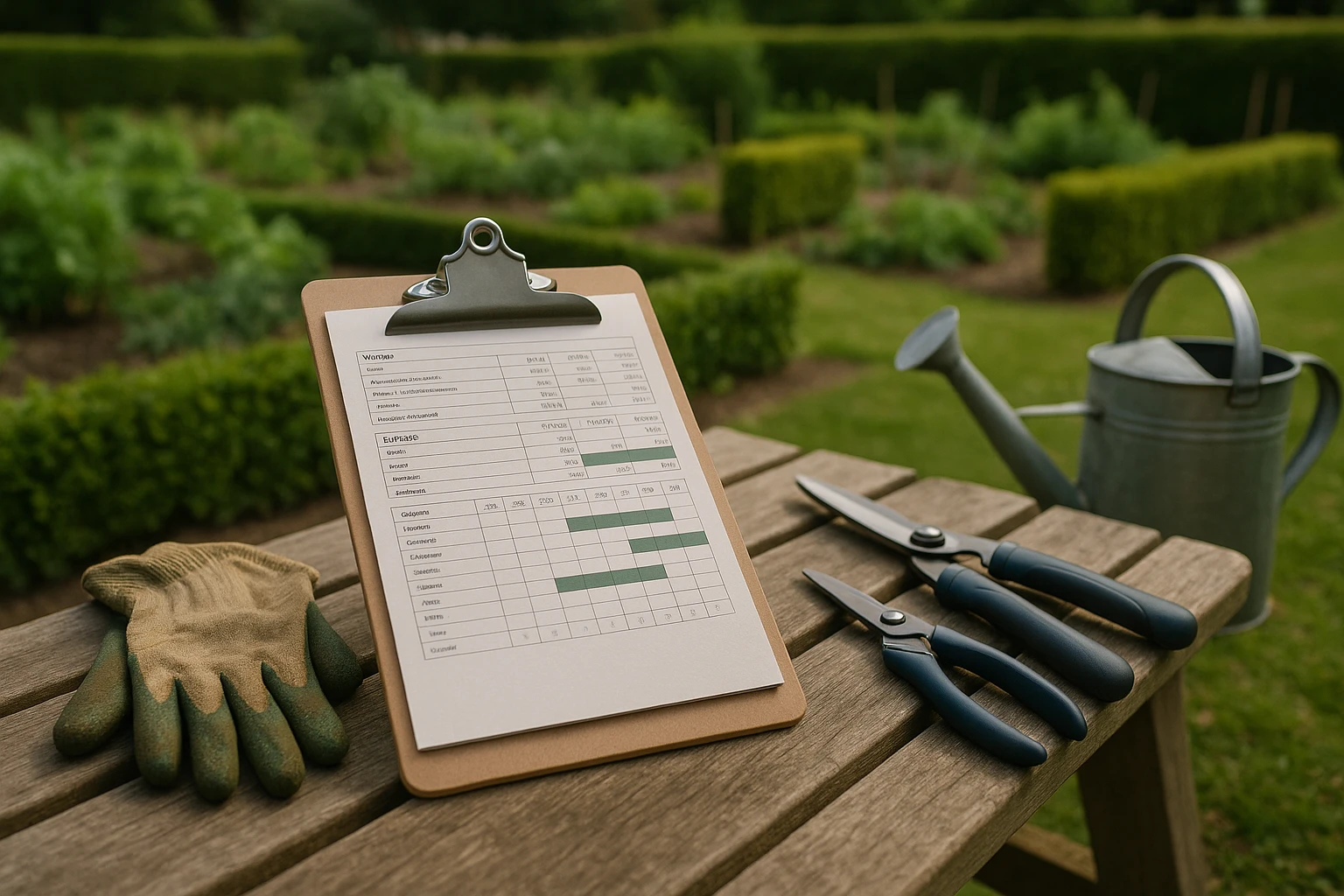
Properly managing lawn care for common areas is crucial for any HOA. It begins with a well-structured maintenance schedule. An effective schedule outlines the frequency and type of services required, ensuring that the landscape remains pristine throughout the year. This planning involves collaboration between the HOA board and landscaping professionals, focusing on specific community needs and regional climate conditions. For example, in regions with significant seasonal variation, lawn care might include snow removal in winter and increased mowing frequencies in summer.
Communication and Feedback
Open communication between the HOA and residents is essential for effective management. Regularly updating the community through newsletters or dedicated online portals ensures everyone is aware of scheduled maintenance. This transparency not only builds trust but also allows residents to provide valuable feedback. For example, residents can report any unattended areas or express preferences for certain eco-friendly practices, which the HOA can consider in their planning.
Contracting Professional Services
Engaging with professional landscape maintenance companies is often beneficial for HOAs. These companies bring expertise, allowing them to efficiently manage the diverse needs of community landscapes. For instance, industry standards suggest that professional services can enhance lawn health through strategic fertilization and integrated pest management. Partnering with professionals helps in maintaining an aesthetically pleasing and safe environment for all residents.
Budget Considerations and Adjustments
Budgeting is a critical element in managing lawn care for common areas within an HOA. It's important to allocate funds not only for routine maintenance but also for unexpected issues such as storm damage. By implementing a flexible budget plan, HOAs can respond to unforeseen events without disrupting regular services. Analyzing past expenditures and upcoming needs allows for informed financial planning, ensuring that the community's aesthetic and functional standards are upheld.
Environmental Best Practices
Incorporating sustainable practices is a growing priority for many HOAs. Aligning with providers known for eco-friendly techniques can enhance the community's appeal and reduce environmental impact. Techniques such as drought-resistant planting and organic fertilization can reduce water usage and promote a healthier ecosystem. These practices not only benefit the environment but also attract environmentally conscious residents, adding value to the community.
Conclusion
In conclusion, understanding how do HOAs manage lawn care for common areas involves a combination of strategic scheduling, resident communication, professional engagement, financial planning, and sustainable practices. By effectively implementing these elements, HOAs can ensure a thriving, well-maintained landscape that enhances community life and preserves property values.
Conclusion
Successfully managing lawn care for common areas requires a blend of strategic planning, consistent execution, and the use of expert services. Throughout this article, we've explored various methods on how HOAs can take charge of maintaining these important green spaces. From establishing a comprehensive budget and timeline to selecting the right contractors, every step plays a crucial role in achieving an appealing and well-maintained community environment.
Key takeaways for how do HOAs manage lawn care for common areas include the necessity of a detailed plan that incorporates both seasonal and regional factors. Regular assessments not only ensure adherence to the budget but also allow for adaptations based on changing conditions. Communities can greatly benefit from incorporating sustainable practices, such as using drought-resistant plants and reducing chemical usage. This not only aids the environment but can also lead to long-term cost savings.
Furthermore, engaging skilled professionals is vital. Collaborating with experienced contractors equips HOAs with the knowledge and resources needed to maintain high standards. Regular communication between the board and service providers ensures expectations are met and any emerging issues addressed promptly. For example, a proactive approach could involve drafting service agreements that clearly define tasks and responsibilities, mitigating potential misunderstandings.
One actionable insight is to implement innovative technologies, such as smart irrigation systems and mobile apps for scheduling and tracking maintenance activities. These tools enhance efficiency and provide valuable data for ongoing analysis and improvement. By upgrading traditional methods, HOAs can optimize their resources and maintain lush, inviting landscapes.
To get started with these strategies, consider using SQ Roots Property Maintenance for comprehensive support tailored to your community’s needs. With their expertise, HOAs can confidently tackle the nuances of lawn care management, ensuring both aesthetic appeal and environmental responsibility.
Ultimately, by investing time and resources into proper lawn care management, HOAs can create a welcoming environment that enhances property values and fosters community pride. Whether it’s through efficient budgeting, environmental stewardship, or professional partnerships, effective strategies ensure that common areas remain a vibrant and integral part of the community experience.
Article Generated by Soogle